The Chinese Pleasure Book
take pleasures in 樂 樂友intimate friends 樂樂 in music 樂業 in vocations and legacy 樂與 in sharing 棄生 in being alive and vital 樂義 in doing your duty 樂學 in learning and emulating 樂人 others of the requisite worth 樂天 in Heaaven or cosmic operation 樂家 in your true home
生生不息 快樂無比
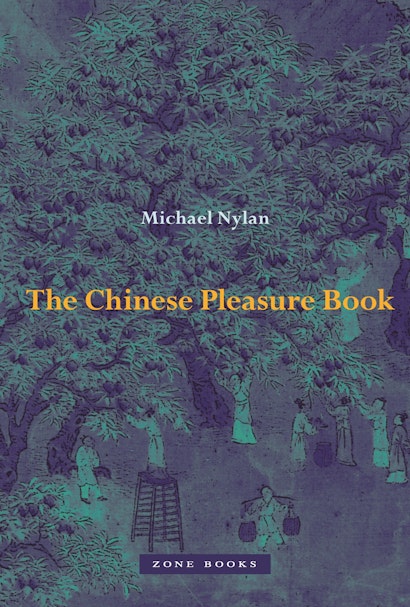
The Chinese Pleasure Book
This book takes up one of the most important themes in Chinese thought: the relation of pleasurable activities to bodily health and to the health of the body politic. Unlike Western theories of pleasure, early Chinese writings contrast pleasure not with pain but with insecurity, assuming that it is right and proper to seek and take pleasure, as well as experience short-term delight. Equally important is the belief that certain long-term relational pleasures are more easily sustained, as well as potentially more satisfying and less damaging. The pleasures that become deeper and more ingrained as the person invests time and effort to their cultivation include friendship and music, sharing with others, developing integrity and greater clarity, reading and classical learning, and going home. Each of these activities is explored through the early sources (mainly fourth century BC to the eleventh century AD), with new translations of both well-known and seldom-cited texts.
本書探討了華人思想中最重要的主題之一:愉悅活動與身體健康以及整體健康之間的關係。與西方的快樂理論不同,早期中國著作並非將快樂與痛苦相對照,而是將其與不安全感相對照,認為尋求和享受快樂以及體驗短期的愉悅都是理所當然的。同樣重要的是,他們相信某些長期的關係性快樂更容易維持,也更有可能帶來更大的滿足感,且危害更小。隨著人們投入時間和精力去培養這些快樂,這些樂會變得更加深刻和根深蒂固,例如友誼和音樂、與他人分享、培養正直和更清晰的思路、閱讀和學習古典文學以及家庭之樂。本書透過早期文獻(主要為公元前四世紀至公元十一世紀)探討上述每一項活動,並對一些著名和鮮為人知的文獻給新譯。

沒有留言:
張貼留言